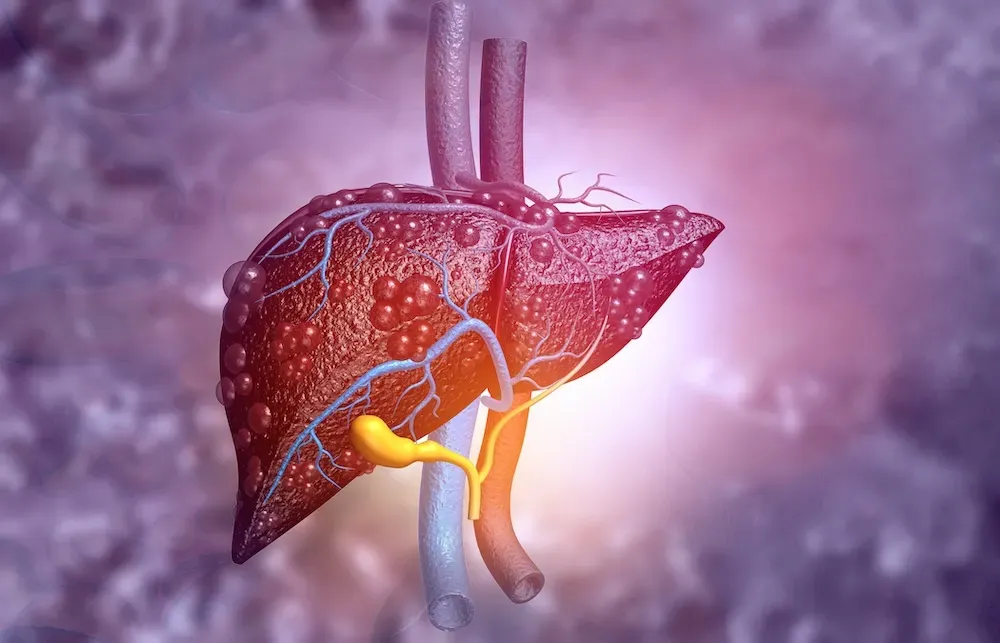
Liver disease includes any condition that affects the normal structure or function of your liver. Some types of liver disease are acute, while others are chronic and potentially life-threatening. Westchester Putnam Gastroenterology in Carmel, New York, provides expert care for people with liver disease. To schedule an appointment, call the office nearest you or click the online booking button.
Liver Disease Q&A
What is liver disease?
Your liver helps your body digest food and get rid of toxins. Liver disease includes any condition that affects these normal functions.
There are many types of liver disease. Some are acute, causing short-term problems, while others are chronic and cause irreversible damage that leads to life-threatening situations.
Unlike other organs, your liver can repair itself. An early diagnosis and treatment of liver disease may prevent serious liver damage that leads to liver failure.
What causes liver disease?
Liver disease may develop from many causes. Some of the most common include:
Infections
Hepatitis A, B, and C are viruses that affect the health and function of your liver. Hepatitis A is an acute viral infection that resolves over time. However, hepatitis B and C are long-term viral infections that may cause irreversible liver damage when left untreated.
Genetics
Inherited conditions also lead to liver disease, such as hemochromatosis and Wilson’s disease.
Autoimmune disorders
Autoimmune disorders trigger your immune system to attack your body. Autoimmune hepatitis and primary biliary cholangitis are autoimmune disorders that affect the liver.
Lifestyle choices
Alcohol, drugs, and diet choices also affect the health of your liver and may lead to liver disease.
What are the symptoms of liver disease?
Not everyone with liver disease develops symptoms. Common signs and symptoms that indicate liver disease include:
- Fatigue
- Yellowing of the eyes or skin (jaundice)
- Abdominal pain
- Swelling of the abdomen or legs
- Dark urine
- Pale stool
- Nausea or vomiting
If you have any signs or symptoms that make you feel uneasy about your health and well-being, schedule an appointment with the experts at Westchester Putnam Gastroenterology.
How is liver disease diagnosed?
Westchester Putnam Gastroenterology, your provider conducts in-depth clinical exams to diagnose liver disease. They review your symptoms, medical history, and perform a physical exam.
To confirm or rule out liver disease, they run diagnostic tests, including blood work, urinalysis, and ultrasound testing. They may also take a biopsy of your liver to assess the severity of your liver damage.
How is liver disease treated?
Treatment for liver disease depends on the underlying cause of your condition, your symptoms, and the severity of your liver damage. Your treatment plan may include:
- Weight management
- Diet modification
- Abstinence from alcohol and illicit drugs
- Antiviral medication for hepatitis
- Nutritional supplements
For patients with severe liver damage or liver failure, the recommended treatment may be a liver transplant.
Call Westchester Putnam Gastroenterology, or request a consultation online today.